 NexIP官方博客

Team-Based Overseas Proxy IP Selection Guide: From Overseas Public Opinion Collection to Multi-Platform Account Matrix Egress Architecture
A guide for teams on selecting overseas proxy IPs based on business scenarios, covering public opinion monitoring, price comparison, account verification, and long-term account operations, with recommendations on product lines and team management.

Crawler Proxy IP Integration Architecture Design: Task Tiering, Cookie Binding, and Dual-Pool Scheduling Guide
A guide to designing a resilient crawler proxy architecture with task-based tiering, session-cookie binding, and dual-pool scheduling to avoid blocks and reduce costs.
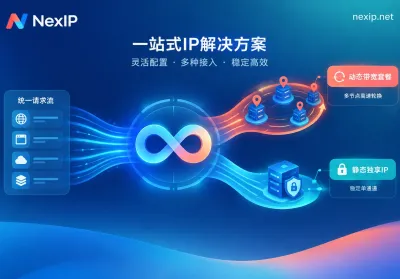
Why Does 'Unlimited Traffic Proxy IP' Have Only One Name but Correspond to Two Completely Different Business Types?
Many teams searching for 'unlimited traffic proxy IP' actually need different underlying product forms: dynamic bandwidth-based pools, static short-term IPs, and static long-term IPs, each suited to distinct use cases.
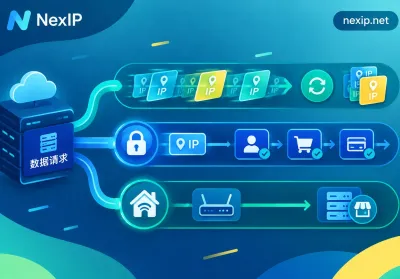
How Often Should Dynamic IPs Rotate? Rotate by Work Unit and Risk Signals, Not by Seconds
Rotate dynamic IPs based on task state and risk control signals rather than fixed time intervals, using rotating sessions for stateless tasks and sticky sessions for stateful flows, while switching to static IPs for long-term accounts.
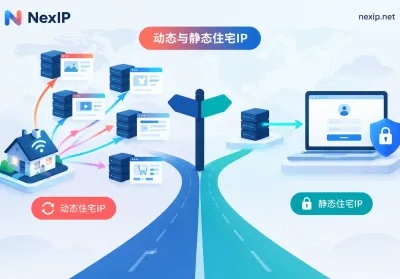
Static Residential IP vs Dynamic Residential IP for Scraping: First, Does Your Task Need a Fixed Identity?
Choose dynamic residential IPs for most scraping tasks, and use static residential IPs only when you need a persistent, logged-in identity.