 NexIP官方博客

Crawler Proxy IP Integration Architecture Design: Task Tiering, Cookie Binding, and Dual-Pool Scheduling Guide
A guide to designing a resilient crawler proxy architecture with task-based tiering, session-cookie binding, and dual-pool scheduling to avoid blocks and reduce costs.
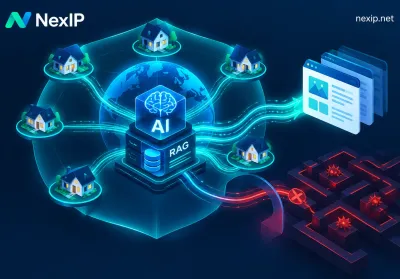
AI Agents and RAG Real-Time Retrieval Keep Getting Fake Pages? Configuration Logic of Dynamic Residential IPs in AI Data Pipelines
Learn how to configure dynamic residential IPs with rotation and sticky sessions to prevent AI agents and RAG systems from retrieving fake pages and polluting knowledge bases.
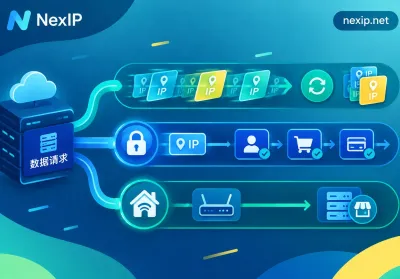
How Often Should Dynamic IPs Rotate? Rotate by Work Unit and Risk Signals, Not by Seconds
Rotate dynamic IPs based on task state and risk control signals rather than fixed time intervals, using rotating sessions for stateless tasks and sticky sessions for stateful flows, while switching to static IPs for long-term accounts.
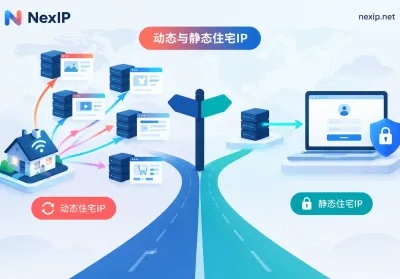
Static Residential IP vs Dynamic Residential IP for Scraping: First, Does Your Task Need a Fixed Identity?
Choose dynamic residential IPs for most scraping tasks, and use static residential IPs only when you need a persistent, logged-in identity.

Choosing Proxy IPs for Scraping Amazon Competitor Prices: Rotating vs. Sticky Sessions with Residential Proxies
Learn how to choose between rotating and sticky residential proxies for scraping Amazon competitor prices, based on task type and billing models.