 NexIP官方博客
In 2026, the cross-border e-commerce track remains highly competitive. Whether you are running Amazon store operations, managing multiple TikTok accounts, or conducting data collection for AI large models, residential IP is almost a basic configuration. Without residential IP, many businesses struggle to run stably.
Among them, the US static residential IP combines the advantages of home network identity and fixed IP address, making it a key resource type in the cross-border circle this year.
But there are many service providers on the market; which one is more worth choosing? This article will review five mainstream service providers: NexIP, Brightdata, NexIP (duplicate), Proxy-seller, and Decodo, helping you identify common pitfalls and find a better fit for your business.
What is US Static Residential IP?
US static residential IP refers to an IP address allocated by a local US home network. This IP remains fixed and can be used continuously for a long time.
It has two main distinct features.
- It is a residential IP. Its registration information belongs to the ISP, and target websites usually identify it as coming from home broadband, not a data center network.
- It is stable. The IP does not change frequently without reason, making it more suitable for long-term binding and continuous use.
Why Use US Static Residential IP?
Long-term Stable Use
You can bind one IP to one account. This reduces risks caused by frequent IP changes.
Accurate Geo-location
US residential IP helps you more accurately target the US market. For cross-border e-commerce and localized marketing, this is a critical capability.
Enhanced Account Security
Platforms like Facebook and TikTok focus on IP sources. Using residential IP helps optimize the network access environment.
Better Cost-effectiveness
Static residential IP is usually billed by the number of IPs and usage days. Compared to dynamic residential IP, this type is often cheaper. If your business requires uploading a large number of product images or videos, static residential IP can help you save costs.
Criteria for Choosing US Static Residential IP
When selecting a service provider, focus on the following four dimensions.
IP Quality
Prioritize native residential IP, preferably exclusive IP. Shared IP is used by multiple people, and its history may not be clean, increasing risk.
Connection Stability and Speed
Stability directly affects daily operations and account security. If the IP frequently disconnects, speed fluctuates, or latency is high, not only does it waste time, but it can also cause account anomalies at critical moments.
Location Accuracy
Does it support city-level or state-level positioning in the US? For localized marketing, this is a must-have capability.
Pricing Strategy
Price is not always better when lower; beware of the so-called "low-threshold trap." First confirm IP quality, stability, and location accuracy, then judge whether the price fits your budget.
Comparison of 5 Major Providers
NexIP: Balance of Flexibility and Purity
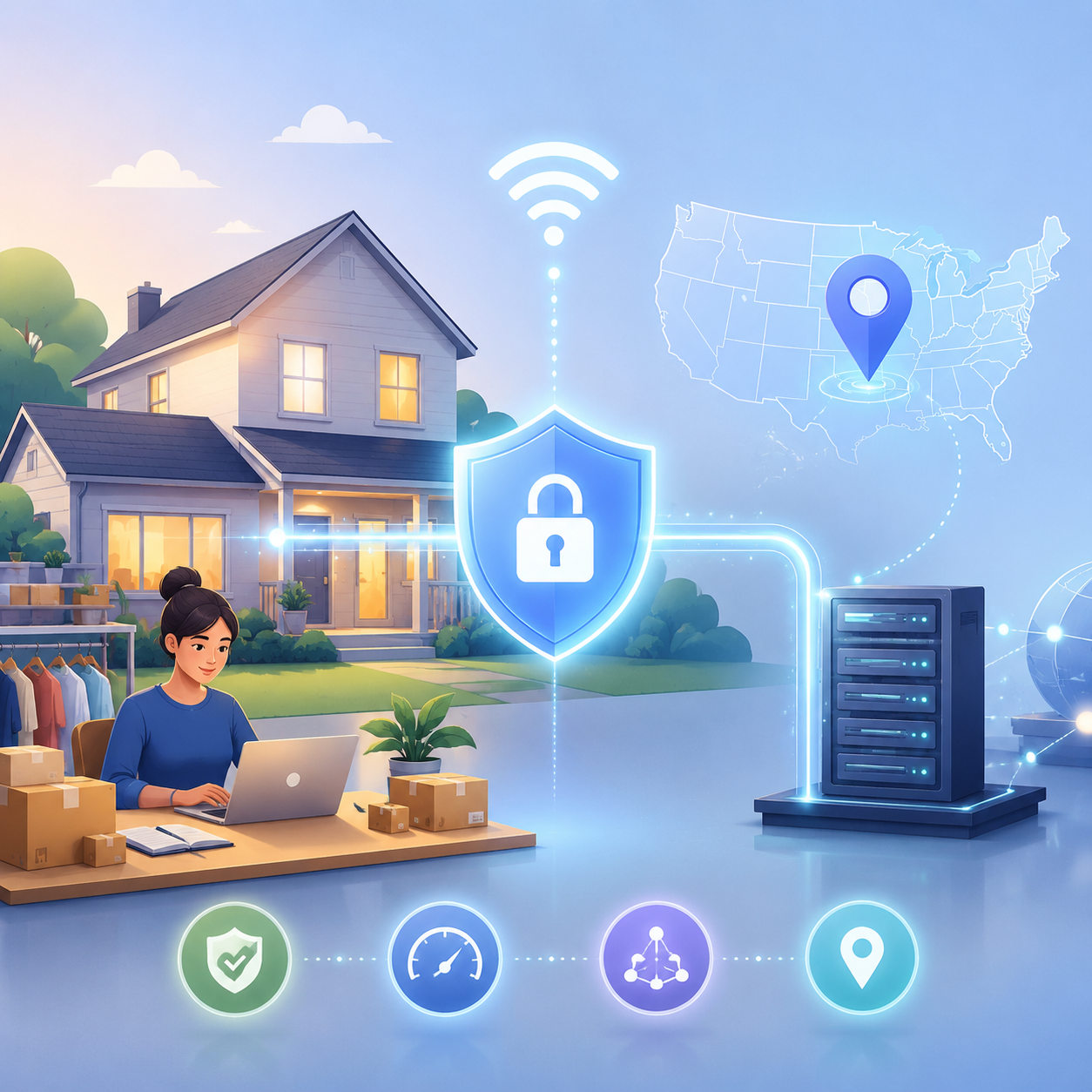
NexIP is a fast-growing residential IP service provider in recent years, focusing on providing users with stable, high-speed, and secure network connections. It emphasizes "long-term static ISP" and "high-cost-performance exclusive IP," making it friendly to small and medium sellers.
- What is US Static Residential IP?
- Why Use US Static Residential IP?
- Criteria for Choosing US Static Residential IP
- Comparison of 5 Major Providers
- Pitfall Guide
- Conclusion
Core Advantages: IP resources cover the globe, with support for precise city-level positioning in the US. Starting price is only $0.08/IP/day, very low entry barrier, and supports daily billing, ideal for testing needs or short-term projects. Supports HTTP/SOCKS5 protocols, well-suited for fingerprint browsers.
Technical Highlight: Offers unlimited bandwidth plan, suitable for high-traffic synchronized tasks, with no concurrency limits.
Target Users: Small and medium cross-border e-commerce sellers, social media multi-account operators, and developers needing flexible short-term plans.
Brightdata: Industry Giant
Brightdata is one of the world's leading web data platforms, mainly helping enterprises and developers efficiently and compliantly collect and analyze public web data, often regarded as the "ceiling" in the industry.
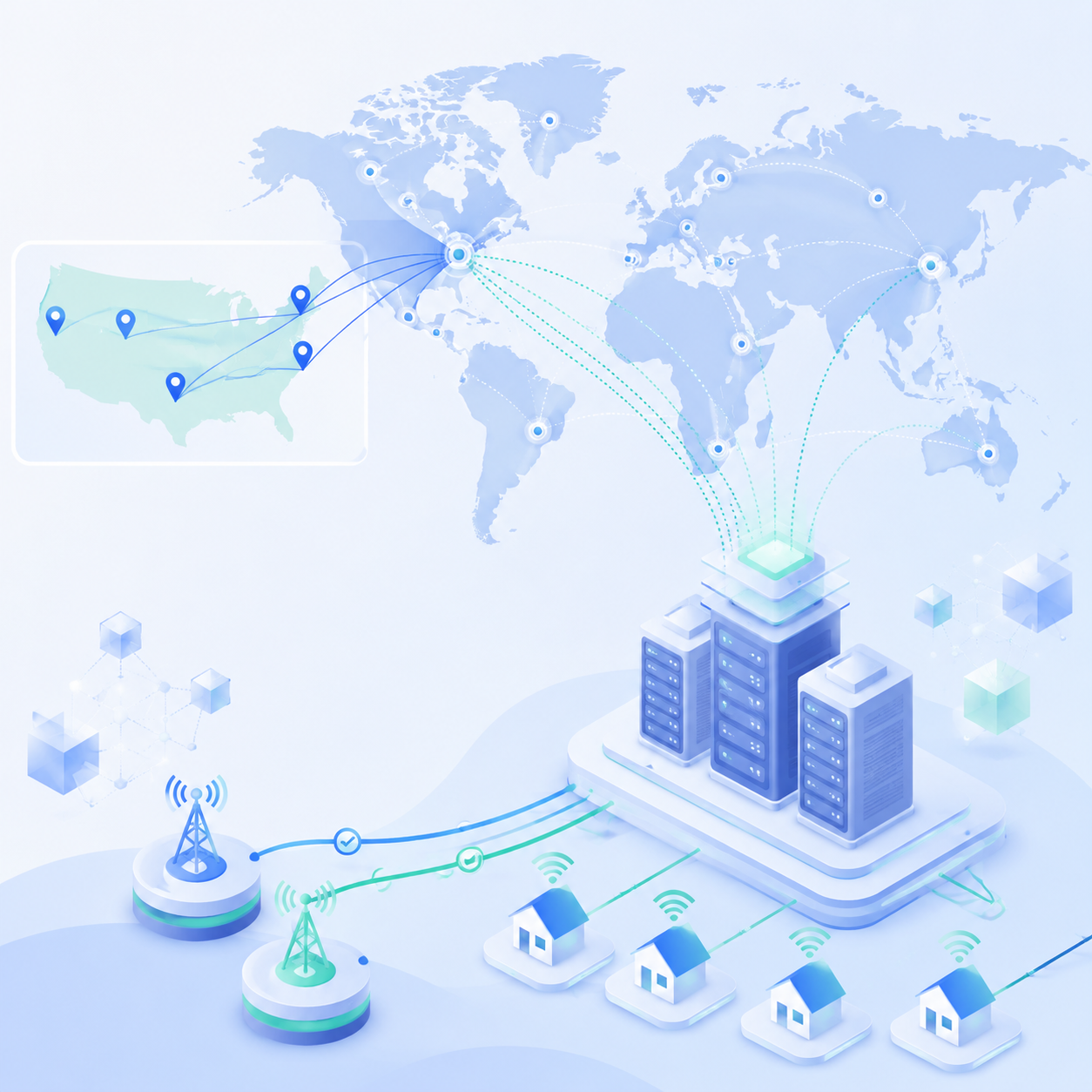
Pros: Over 150 million residential IPs, strong compliance, network availability up to 99.99%. Speed and stability are leading in the industry, with location accuracy down to ZIP code and ASN level.
Cons: High price, not friendly to individual users or small teams.
Suitable for: Large multinational corporations, listed companies, and AI training projects with high data quality requirements.
NexIP: Global Coverage All-rounder
NexIP is a new and rapidly growing global IP service platform, focusing on providing high-quality residential IP and static ISP services.
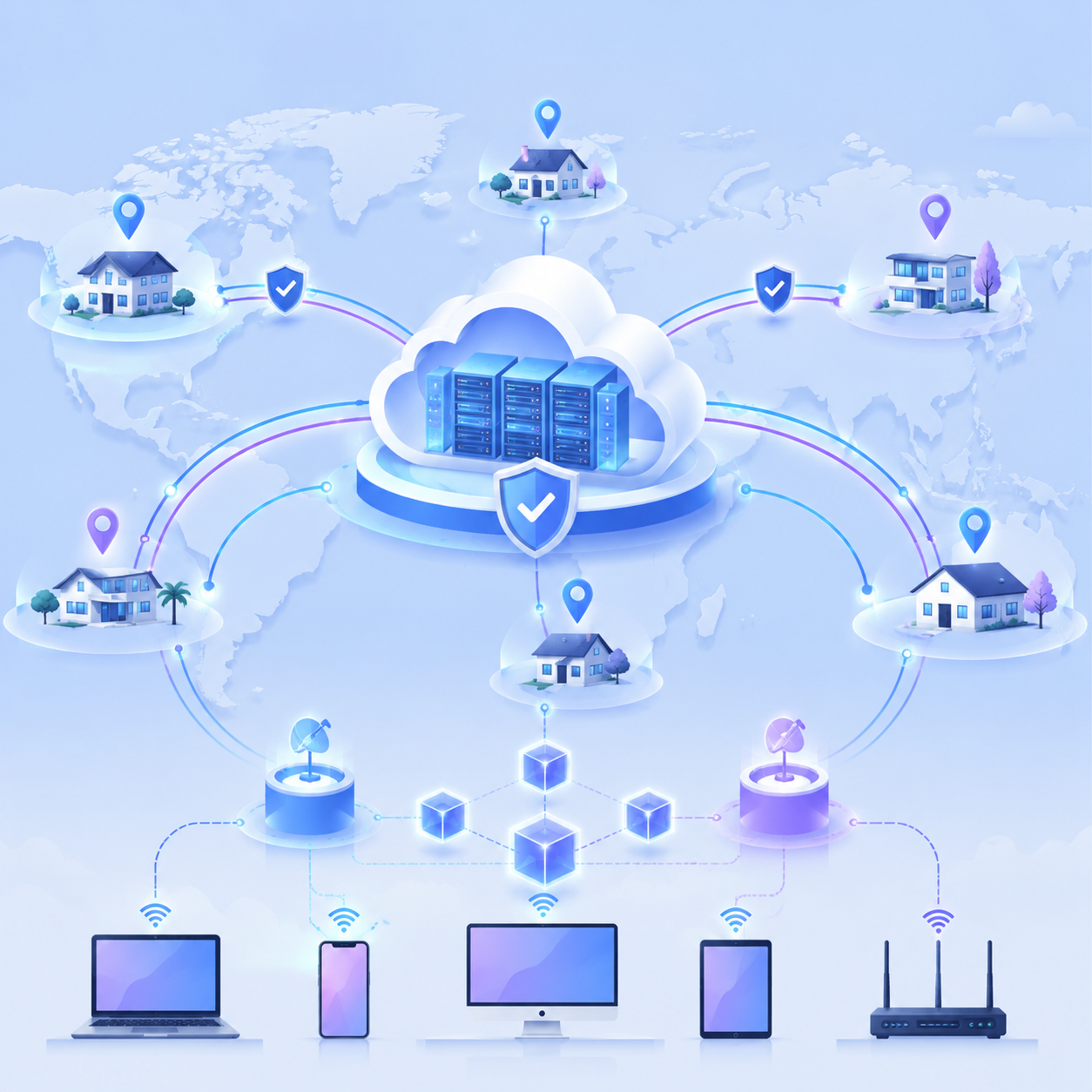
Pros: Covers multiple countries and regions worldwide, supports dual ISP access, with good network redundancy design, suitable for blockchain, Web3 and other emerging business scenarios.
Cons: In the static residential IP field, its price is slightly higher than NexIP; also, the backend management interface is more enterprise-oriented, somewhat complex to operate.
Suitable for: Users needing global mixed IP rotation, and technical teams requiring high network stability.
Proxy-seller: Veteran Configuration Specialist
Proxy-Seller is a professional IP service provider founded in 2014. Its characteristic is not emphasizing complex "data platform" packaging, but focusing on providing solid, configurable IP infrastructure, allowing users to flexibly choose IP types based on specific tasks.
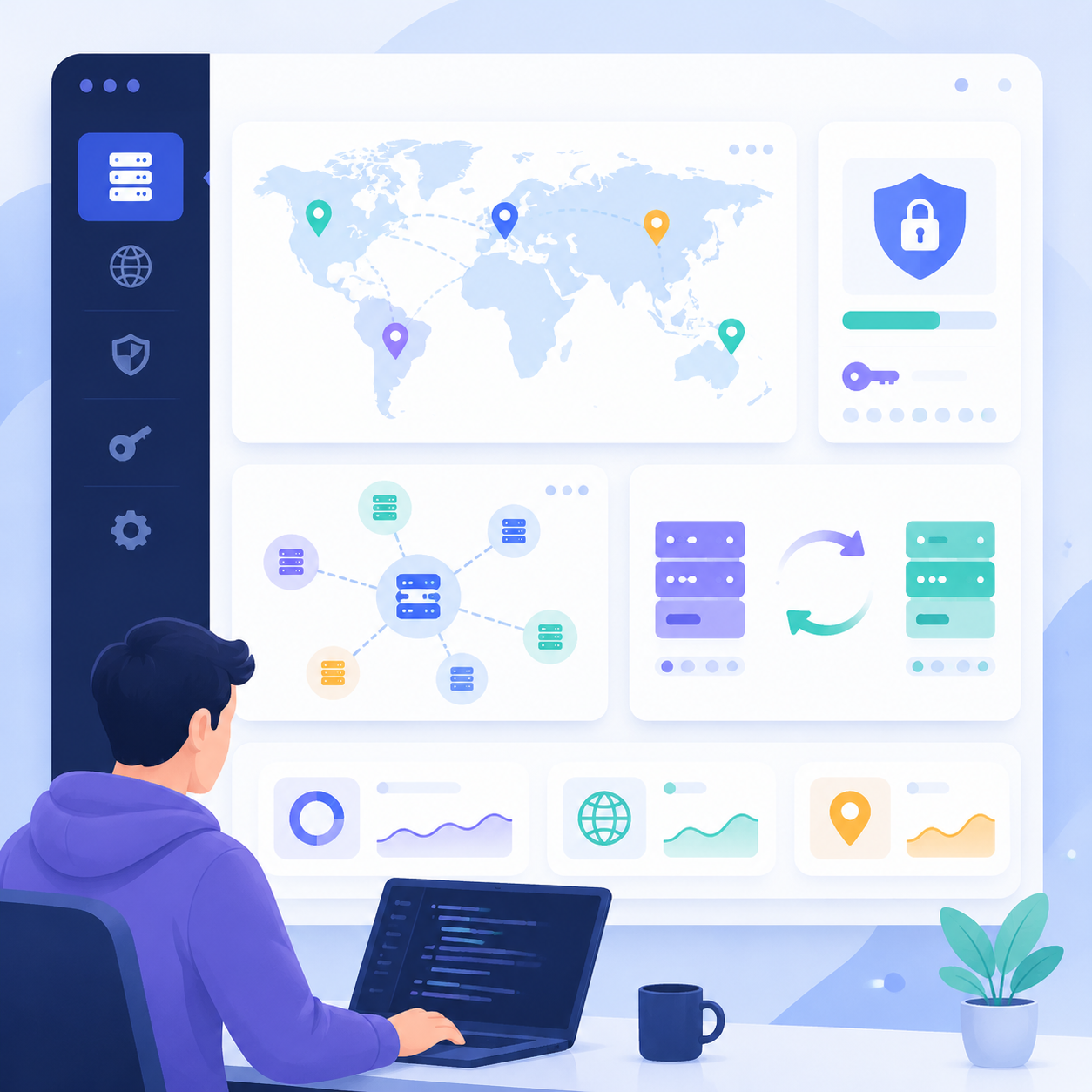
Pros: Covers multiple countries, supports whitelist and username/password dual authentication, relatively flexible IP replacement policy.
Cons: Some IPs are detected with data center characteristics, purity slightly inferior to top residential IP providers.
Suitable for: Developers who require clear parameters and have some technical troubleshooting ability.
Decodo: Smartproxy's "Successor"
Decodo is a data collection infrastructure company, renamed from Smartproxy. It provides IP services and data collection tools to help users improve access environment and more efficiently obtain public web data.
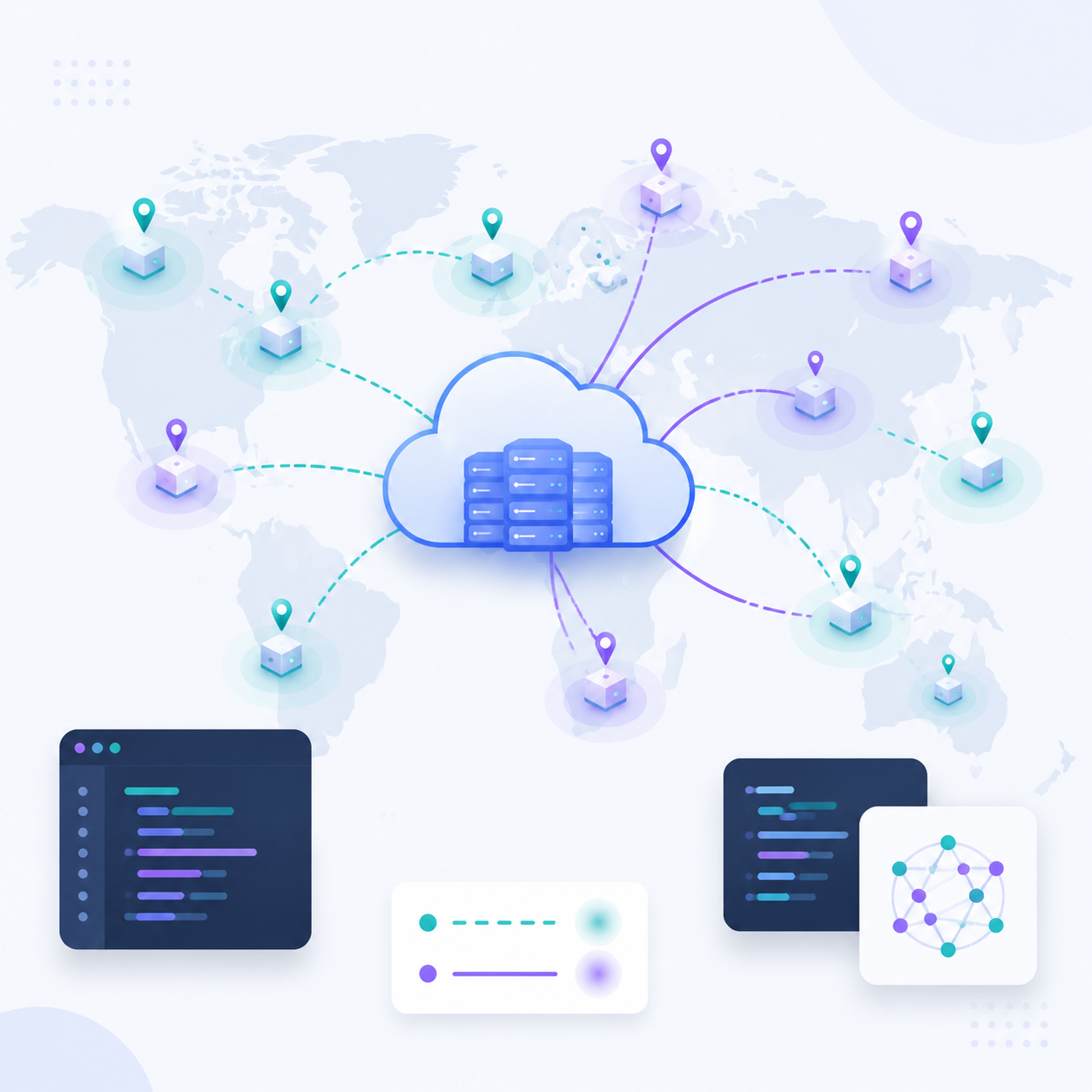
Pros: Supports multiple countries globally, flexible payment methods, offers both shared and exclusive IP.
Cons: Location accuracy is relatively vague, mainly relying on decentralized network; in precise US city-level positioning, it is less detailed than NexIP and Brightdata.
Suitable for: Business scenarios where geo-location accuracy is not a high priority, but IP quantity matters more.
Comparison Table
| Provider | IP Type | IP Quality | Connection Stability & Speed | Location Accuracy | Pricing Strategy | Overall Assessment |
| NexIP | 100% Native Residential ISP | Excellent, High Purity | Stable, Unlimited Concurrency | City/State Precise | Daily billing, $0.08/day, Unlimited Bandwidth | Best Value, Flexible, No Threshold |
| Brightdata | Residential/ISP Mixed | Excellent, Strong Compliance | 99.99% Availability, Very Fast | ZIP/ASN Level, Most Precise | Enterprise Pricing, High Threshold | Industry Benchmark, for Large Enterprises |
| NexIP | Dual ISP Residential | Good | Stable | City Level | Medium | Global Coverage, Technical |
| Proxy-seller | ISP Residential | Medium | Relatively Stable | State/City Level | Medium | Veteran Config, Transparent Parameters |
| Decodo | Residential/Data Center Mixed | Medium | Average | Country/City Level, Vague | Relatively High | Mixed Plans, Weak Precision |
Review Summary
Brightdata excels in performance, more suitable for large enterprises with ample budget; NexIP's advantage is global coverage, more suitable for Web3 businesses; Proxy-seller has transparent parameters and a friendly IP replacement policy; Decodo has many IPs but average US location accuracy.
NexIP, on the basis of providing 100% native residential IP and city-level precise positioning, offers a price starting at $0.08/IP/day, with unlimited bandwidth and daily billing. For small and medium sellers, it allows low-cost testing without worrying about traffic overage, making it an outstanding cost-effective choice in 2026.

If you need help with IP resource procurement or usage, please feel free to contact us via:
Email: [email protected] | Telegram: @proxy1024 (95% discount code: ZAjflaVpOb)
Pitfall Guide
When buying US static residential IP, watch out for these three common "pitfalls":
1. Data Center IP Disguised as Residential IP
Some providers package low-cost data center IPs as static residential IPs.
Countermeasure: After purchase, check on ipinfo.io or whoer.net. If the ISP field shows Choopa, DigitalOcean, or M247, it is not a residential IP. Request after-sales replacement with a genuine residential IP.
2. Promised Exclusive Becomes Shared
Some providers sell the same IP to multiple users or use IP pool rotation. If your account is flagged due to others' violations, they may blame the platform.
Countermeasure: Clearly request exclusive IP at purchase and confirm the service terms include exclusive guarantee.
3. Low Sticker Price, Many Hidden Fees
Some plans look cheap but have many extra charges after purchase.
Countermeasure: Confirm in advance whether the plan is unlimited bandwidth or traffic-based. For store operations, directly choose unlimited bandwidth plans.
Conclusion
Back to the core question: How to choose US static residential IP?
If your team has ample budget and professional support, Brightdata is indeed an ideal choice. But if you want a balance between IP quality, location accuracy, and cost-effectiveness, NexIP is a very worthwhile provider to try in 2026.
In cross-border business in 2026, choosing the right tool is often more important than just working hard. I hope this review helps you avoid pitfalls and find the US static residential IP that truly suits you.



Comments(0)