 NexIP官方博客
A storm in cybersecurity is reshaping the proxy service market at a visible pace. For teams that heavily rely on automated scraping and overseas account management, acquiring clean residential IPs is becoming increasingly difficult. The old habit of registering an email, binding a credit card, and instantly gaining access to millions of overseas nodes is facing a fundamental shift in underlying compliance logic.
This change is not without cause—it has been catalyzed by a series of recent industry earthquakes. From the law enforcement crackdown on malicious networks in early July to the quietly rolled-out access restrictions by top service providers on July 7, a clear signal is being sent: the self-service model of traditional proxies has been fundamentally shaken, replaced by stringent identity verification and compliance tracking.
Industry Barriers Rise Sharply, Self-Service Channels Blocked
Bright Data, a bellwether in the industry, updated its network access policy in official documentation. The new rules explicitly state that from July 7, 2026, users must undergo a manual Know Your Customer (KYC) review when creating any new residential network zone. This means the once "buy-and-use" automated configuration channel is now completely closed.
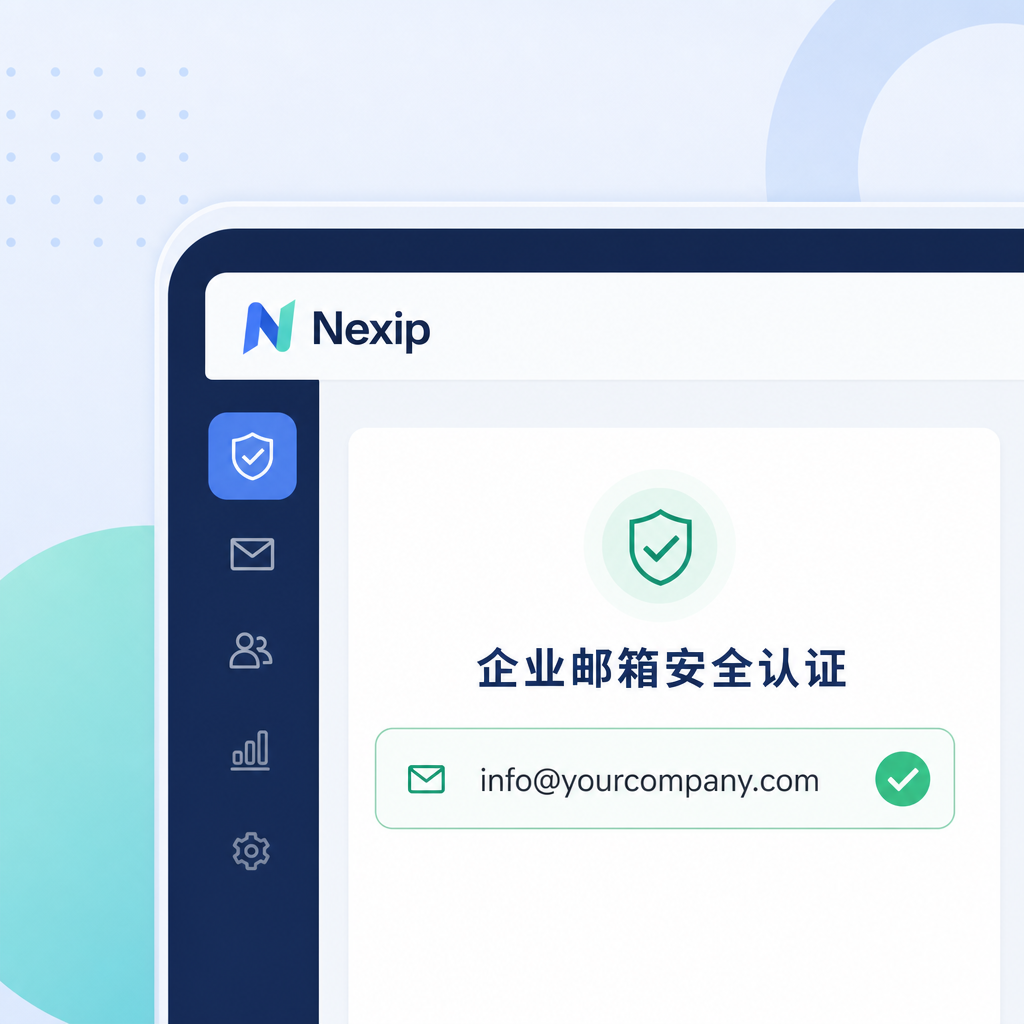
What makes matters worse for individual developers and small-to-medium enterprises is that the new policy outright rejects personal email addresses. According to the rules, new accounts must use a company email from a registered business for verification; public email services like Gmail or Outlook will no longer be eligible. This move cuts off temporary developers or gray projects from quickly acquiring resources.
In overseas developer communities, this change has sparked heated debate. It signals that the self-service era of residential proxies has effectively ended. To continue using the service, one must prepare complete company credentials and pass individual compliance reviews.
This tightening of compliance, though seeming sudden, is the inevitable result of long-accumulated security risks in the industry. The recent hijacking of SDKs in smart TVs and streaming devices made providers realize that without strict control over downstream users' traffic purposes, their network resources could easily become breeding grounds for illegal attacks.
Supply Chain Aftershocks from 2 Million Compromised Devices Going Offline
The tightening compliance red line is largely a direct response to recent law enforcement actions. On July 2, the FBI, in collaboration with Google's Threat Intelligence Group, officially dismantled the proxy network known as NetNut and its underlying Popa botnet. The network was suspected of converting at least 2 million smart TVs, set-top boxes, and other home devices worldwide into malicious exit nodes.
Security investigations revealed that in a single week in June alone, as many as 316 different threat organizations used these nodes to hide their true locations for credential stuffing attacks and data theft. This practice of converting household IoT devices into proxy nodes without user knowledge crossed legal boundaries and triggered a chain reaction in capital markets.
The aftershocks of this crackdown quickly reverberated through the entire supply chain. In the proxy industry, many small and medium brands do not own their underlying networks but instead lease bandwidth from larger network operators through white-label arrangements. With the source domain names blocked, many companies using these white-label services found their scraping systems completely disabled overnight.
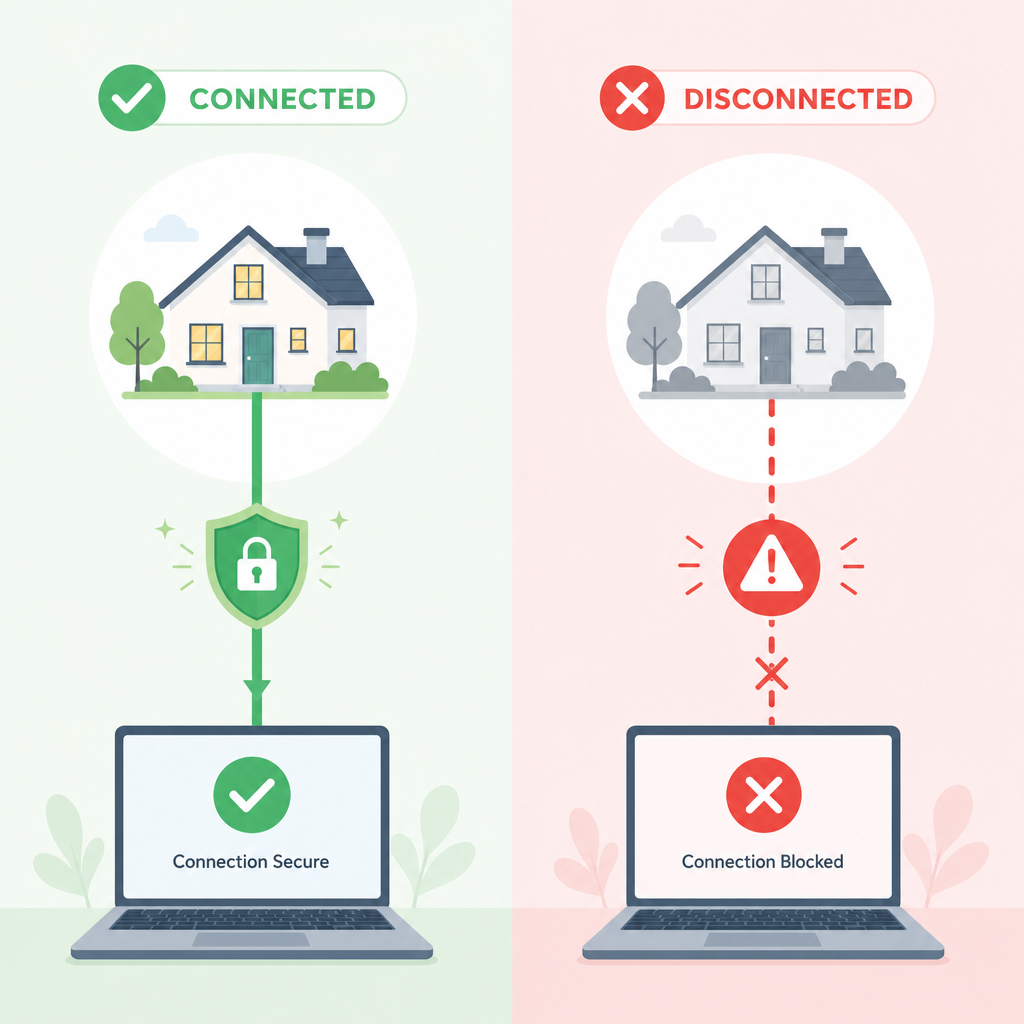
This has made teams using residential IPs realize that resources lacking compliance guarantees pose severe business risks:
- Supply chain disruption: White-label providers may see their services drop to zero due to upstream blockages;
- Legal entanglement: Legitimate enterprise traffic becomes mixed with malicious traffic, exposing them to joint liability;
- Business interruption: Accounts that fail compliance verification risk being locked at any time, bringing systems to a halt.
"Cleanliness" Replaces "Pool Size" as the Core Metric
In the wake of the compliance storm, an analysis by overseas security media on July 17 pointed out that both security researchers and legitimate data collection companies are redefining their criteria for choosing proxies. In the past, providers touted their massive resource pools of hundreds of millions; now, IP "cleanliness" and geolocation accuracy have become the key metrics.
As anti-scraping systems and fraud detection tools at major target websites continue to upgrade, the reputation history of IP nodes has become public transparency. Once a node is flagged for involvement in malicious activities, the entire IP range is blacklisted. This means that in a "dirty pool" lacking compliance checks and rife with malicious traffic, no matter how large the pool, its actual connection success rate will be too low to use.
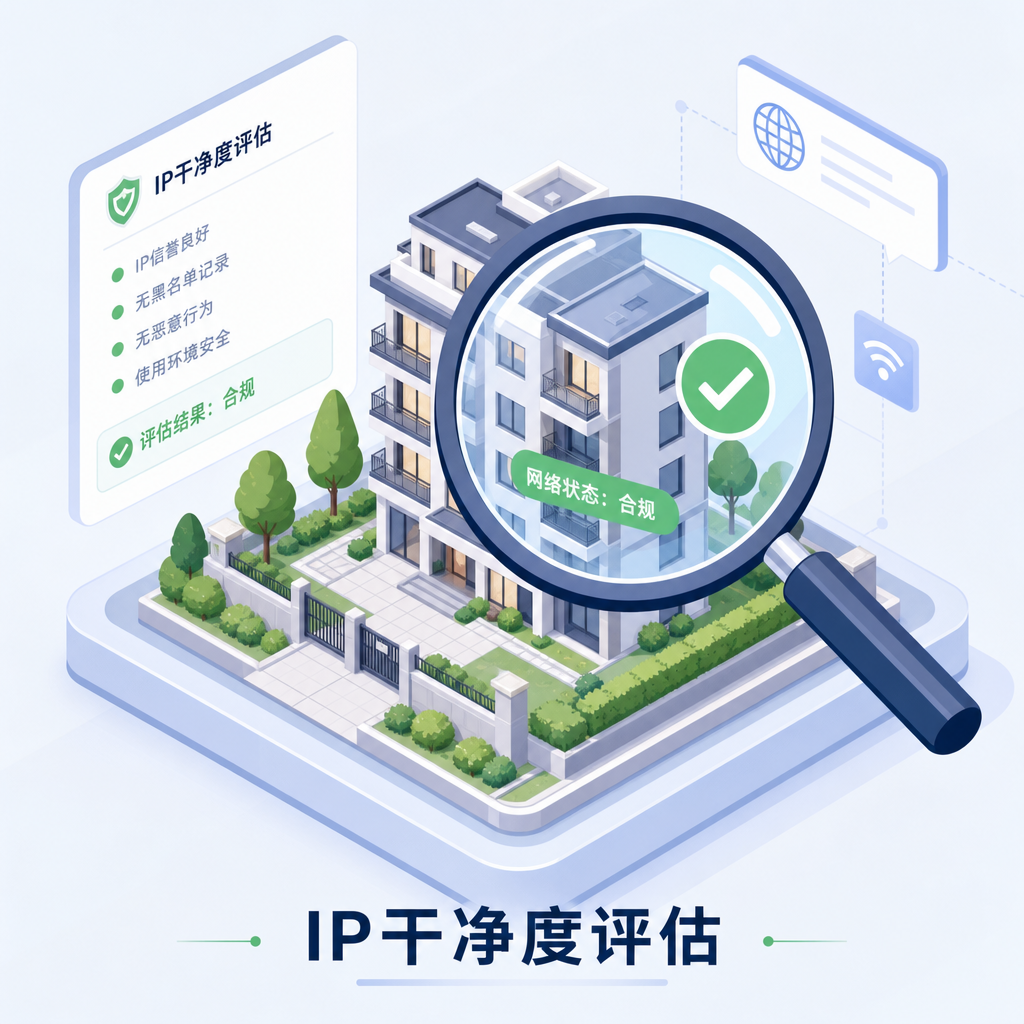
Therefore, market demand for truly compliant, user-authorized dynamic residential IPs is exploding. Enterprises need to ensure that every node used for data collection comes from a real home user who has given informed consent and received reasonable compensation, not from compromised devices hidden behind streaming software.
How Developers and Enterprises Can Navigate the Compliance Storm?
Amidst increasing regulatory pressure and higher barriers from major service providers, enterprises need to be forward-looking when planning technology solutions. Blindly seeking channels to bypass verification is like building a business on sand. Instead, proactively embracing compliance and optimizing proxy configuration strategies is the long-term path to business continuity.
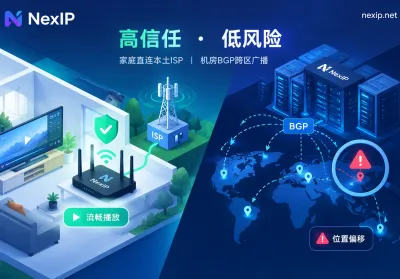
In this context, when choosing a residential IP provider, enterprises should focus on the transparency of IP sources and abuse monitoring mechanisms. For example, Nexip adheres to ethical compliance procurement principles, conducting real-time reputation assessments and tiered management of all nodes. This strategy not only effectively avoids the risk of upstream supply chain disruption but also provides higher session stability and connection success rates.
On the technical implementation side, a well-designed architecture is equally essential. Developers should introduce smarter dynamic rotation mechanisms in their automation programs, and can also leverage session persistence technology provided by Nexip to avoid high-frequency requests from a single node triggering risk controls. Meanwhile, integrating local fingerprint browsers can make proxy traffic more closely mimic real home behavior, further reducing the probability of being blocked by target sites.
The dramatic shift in the market is accelerating the elimination of speculators who rely on gray bandwidth. As KYC and assured compliance become industry-wide consensus, the fields of data collection and web proxies are entering a new, healthier, and more transparent phase. For enterprises, the sooner they incorporate security and compliance into their technology selection criteria, the better positioned they will be to take the initiative in future market competition.


Comments(0)