 NexIP官方博客
If automated programs keep getting blocked midway through target sites recently, the problem is often not at the entrance verification, but that the underlying risk control logic has changed. On July 13, Cloudflare officially launched the Precursor anti-scraping engine, shifting detection from traditional "gatekeeper" verification to full-cycle behavioral tracking. Conventional collection solutions relying solely on residential IP are facing new challenges.
Cloudflare's disclosed data shows that approximately 57% of requests on the global internet now come from automated programs, with bot traffic surpassing real humans for the first time. As AI-driven automated collection becomes more common, protection systems are no longer satisfied with popping up a CAPTCHA at login or checkout but instead continuously assess session trustworthiness throughout the entire user browsing lifecycle.
From Gatekeeper Checks to Full-Cycle Behavior Tracking
In the past, mainstream protection systems relied mainly on static fingerprinting and entrance blocking. When a request was initiated, the protection system would check TLS fingerprint, IP reputation, and pop up Turnstile or CAPTCHA at critical nodes. Once a script passed these gates, subsequent page requests could usually proceed unhindered.
Precursor changes this rule. It runs directly on the edge network, dynamically injecting lightweight JavaScript into web pages to unobtrusively monitor visitor interaction streams throughout the session. This includes mouse movement trajectories, page scrolling rhythm, typing pause intervals, and page focus state when in the background.
These front-end interaction signals are sent back to edge servers in real time, dynamically computing a continuously updated Bot Score. This means that even if a script perfectly mimics a human at the entrance, if it exhibits non-human mechanical characteristics during subsequent browsing—such as triggering clicks while the page is hidden or performing irregular high-frequency jumps—the request will still be intercepted mid-way.
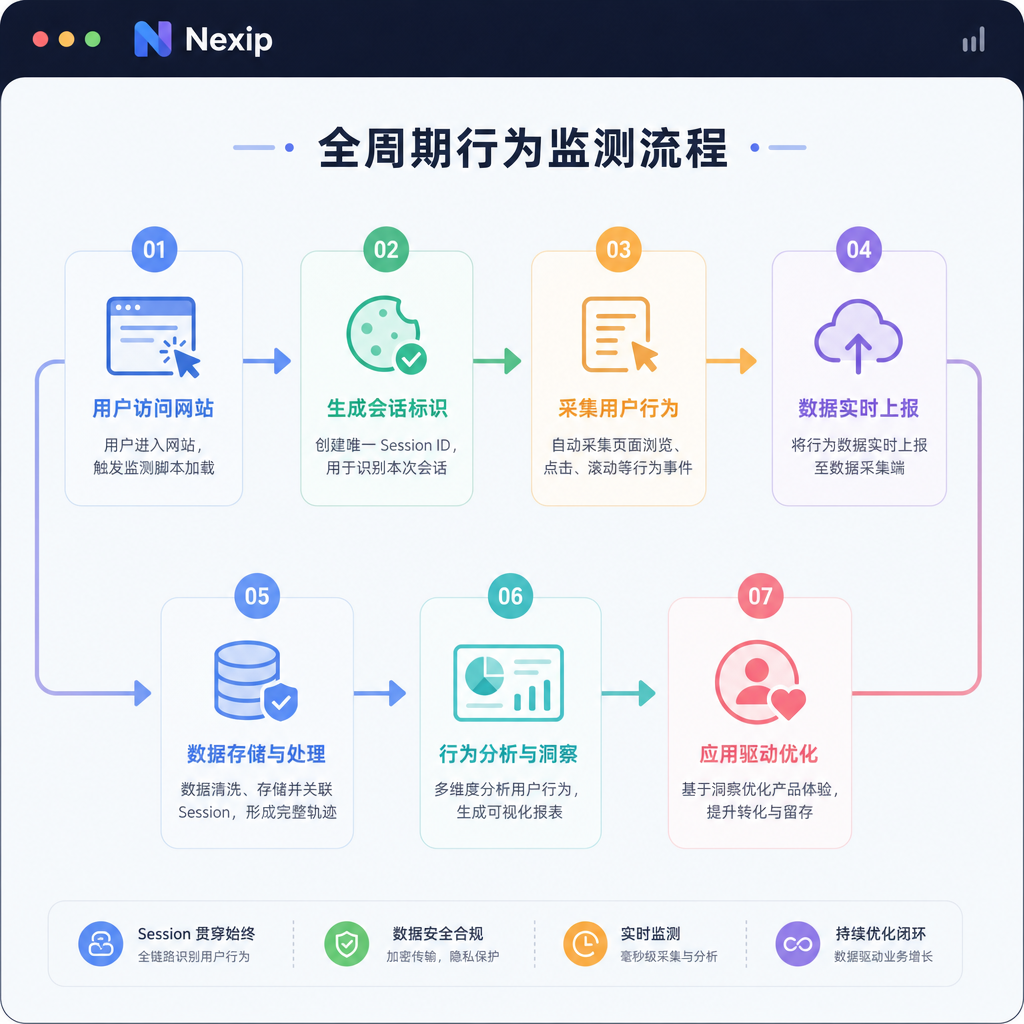
Why Simple Residential IP Rotation Is Becoming Less Effective
In traditional collection architectures, many teams relied on residential IP as the core method to bypass risk control. The logic is simple: data center IPs can be easily blocked in bulk, while nodes from real home broadband have high inherent trust. Combined with frequent IP rotation, rate limits could be easily bypassed.
However, under the full-session behavioral analysis model, the limitations of this "single-point heavy weapon" are quickly magnified. If the underlying browser automation script lacks human-like interaction trajectories, even if every request comes from a very clean home broadband, its session score will fall into the dangerous range within seconds.
More troublesome is improper rotation strategy. If the IP address is forcibly switched during the same user session or multi-step form submission, from the perspective of a continuous monitoring system, this is an extremely rare and suspicious network mutation. This "session unchanged, exit mutated" feature directly triggers deep scrutiny by the risk control engine.
Four Key Adjustments to Counter Full-Session Risk Control
As protection systems shift from "checking identity" to "monitoring process," the engineering design of data collection and multi-account operations also needs to be upgraded. Based on feedback from industry practices, adjustments in the following four dimensions are crucial:
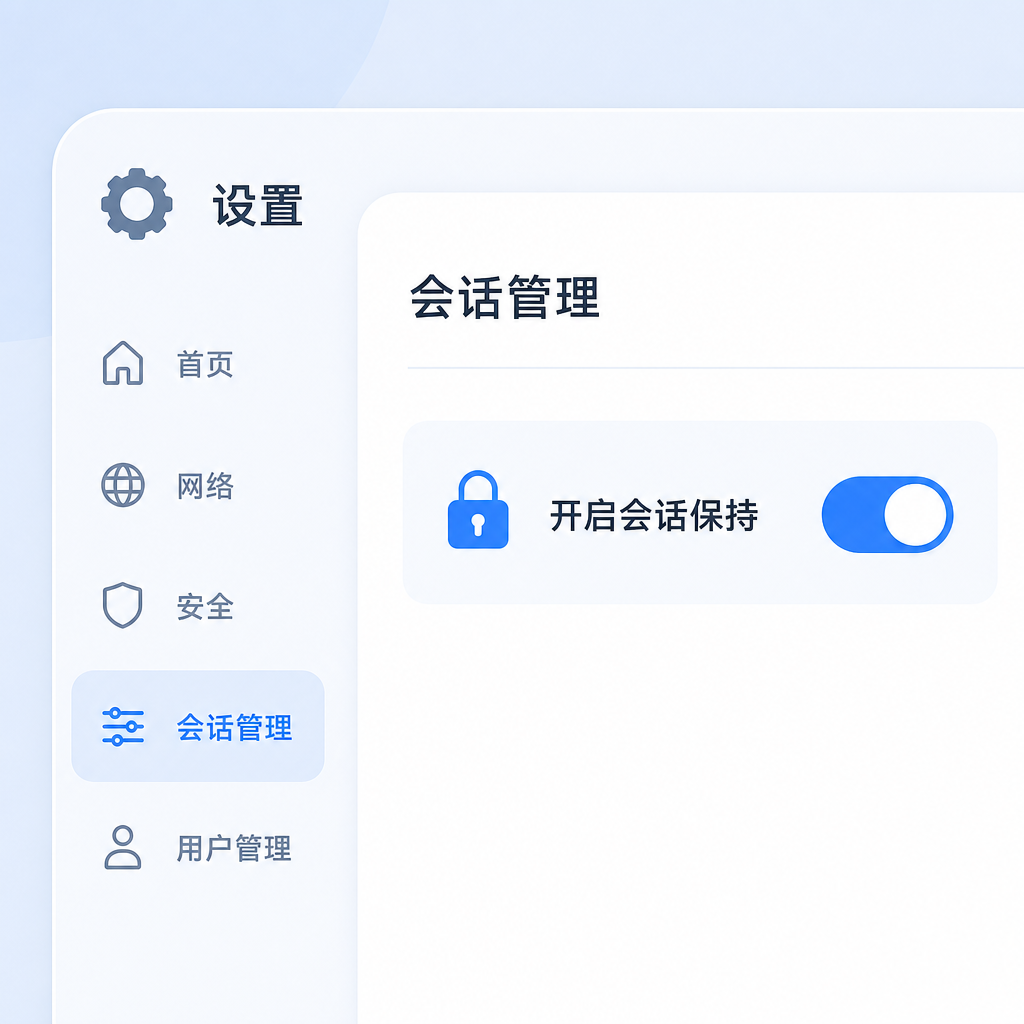
- Maintain residential IP stickiness throughout the session lifecycle: When executing multi-step scraping or login tasks, sticky session mode (such as Nexip's long-term static or fixed-duration sessions) must be enabled to ensure a single complete business process is completed on the same exit node, avoiding node drift midway.
- Complete real browser interaction telemetry: Abandon rigid DOM direct operations; introduce smooth Bezier curve mouse trajectories, random tiny pauses, and scrolling acceleration close to human habits in automation scripts.
- Ensure deep consistency between environment and network context: Ensure that the proxy node's geographic location (country, city, ASN) perfectly matches the browser's timezone, language, WebRTC local address, and screen resolution.
- Optimize exit node connectivity stability: Select high-quality network sources with low jitter and high online rate to reduce abnormal request surges caused by network retries and packet loss.
Long-Term Approach to Automation Architecture and Engineering
The evolution of risk control mechanisms imposes higher demands on engineering precision. The past extensive "high concurrency + frequent IP rotation" approach is being replaced by a new architecture of "high-quality nodes + deep behavior simulation."
When teams use residential IP for complex tasks, the stability of the underlying proxy directly determines the coherence of session behavior. Choosing service providers like Nexip, which have abundant native home network resources, can provide long-term stable sticky sessions and precise geolocation support, fundamentally eliminating risks of frequent disconnections and abnormal drift at the network layer.
On this basis, rationally dividing business modules is equally critical. For purely public, low-protection static content, lightweight requests and fast rotation can continue to be used; for core pages deployed with full-cycle behavioral monitoring, resources should be concentrated to ensure the integrity of the environment and behavior chain. Dynamically adjusting strategies based on the defense level of the target site is the core to maintaining long-term stability of the data pipeline.


Comments(0)