 NexIP官方博客
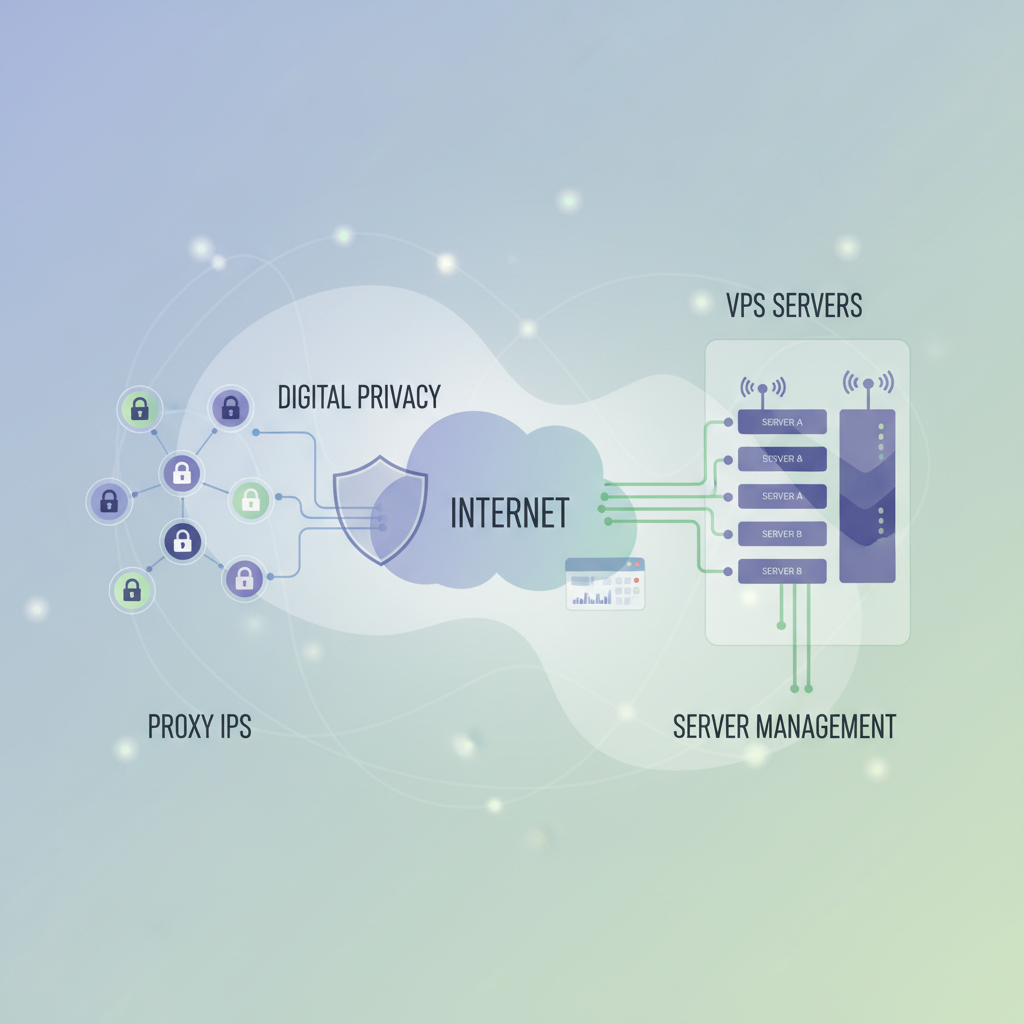
When conducting network access and operations, choosing the right network tool is crucial for e-commerce. Currently, two commonly used network tools are proxy IP and VPS, each with different functions and advantages. We will explain the differences between proxy IP and VPS for novice e-commerce businesses, and provide some suggestions and considerations. E-commerce friends who are hesitating can refer to this article.
1. Basic Concepts of Proxy IP and VPS
A proxy IP is an IP address obtained through a proxy server, used to hide the user's real IP, thereby protecting privacy, accessing restricted resources, or improving access speed. Proxy IPs can be divided into public proxy IPs and private proxy IPs.
VPS is a virtual server partitioned on a physical server through virtualization technology. Each VPS has an independent operating system, resource allocation (such as CPU, memory, storage space), and an independent IP address. VPS can be rented from cloud service providers, and users have full administrator privileges.
2. Differences between Proxy IP and VPS
1. Nature and Purpose:
Proxy IPs are mainly used for anonymous browsing and data scraping, bypassing access restrictions or protecting personal privacy by changing IPs. They are commonly used for simple web browsing, data crawling, and bypassing minor access controls. VPS is a complete virtual server, suitable for applications requiring higher computing power, storage needs, and security control. E-commerce businesses can use VPS to build their own websites, run e-commerce platforms, databases, or other services requiring high customization and control.
2. Performance and Stability:
The performance and stability of proxy IPs depend on the service quality and server load of the provider. Public proxy IPs may be affected by shared resources and risk of bans, while private proxy IPs are generally more stable but at a higher cost. VPS has independent resources, typically offering higher performance and stability, suitable for e-commerce applications that require long-term stable operation and high traffic.
3. Cost and Management:
The cost of proxy IPs is relatively low, especially for public proxy IPs, which can even be obtained for free. However, stability and controllability may be limited. VPS rental fees are higher, requiring users to have certain technical skills to manage and maintain the server. But it offers greater flexibility and security, making it a long-term investment suitable for e-commerce with specific needs.
3. Should E-commerce Choose Proxy IP or VPS?
E-commerce businesses need to choose based on their business needs and budget. If the main need is for account nurturing and IP isolation, consider fingerprint browser + proxy IP. If stable server performance is required, VPS is a better choice.
If it involves the security protection of user data or transaction information, VPS provides higher security guarantees, allowing independent security settings and controls. Considering cost differences, e-commerce businesses should choose based on budget. Short-term projects or small businesses may be more suitable for proxy IPs to control costs, while large e-commerce platforms tend to choose VPS to meet high performance and long-term stability needs.