 NexIP官方博客
Many people encounter similar problems when using residential proxy IPs:
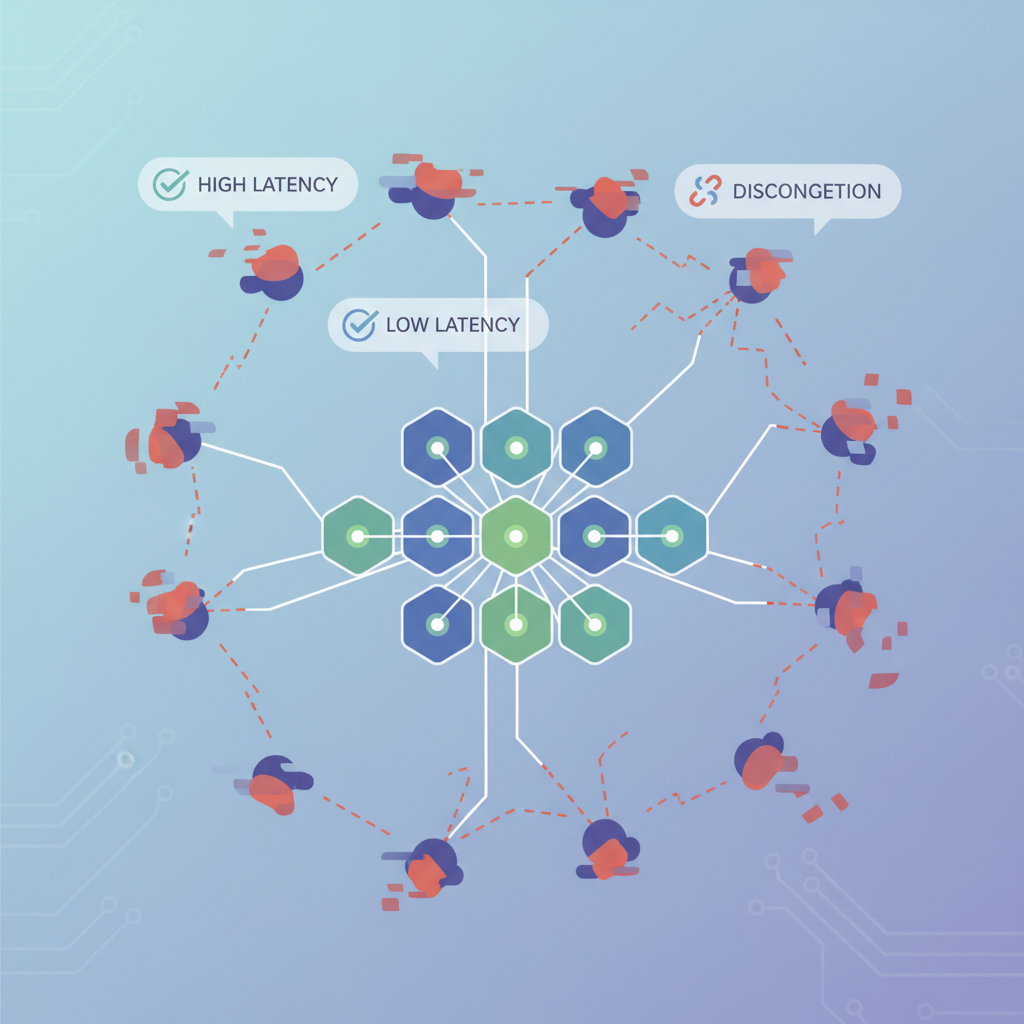
The IP passes testing, but actual usage is unstable—ranging from high latency or occasional disconnections to complete inability to connect. Beginners often suspect poor IP quality, but in reality, the problem lies not with the IP, but with the "connection method."
1. Residential Proxy Is Not the Issue; the Problem Lies in the Protocol Layer
Currently, residential proxy IPs on the market mainly use two protocols:
- SOCKS5
- HTTP / HTTPS
These protocols are fairly mature and work fine in overseas environments. However, in mainland China's network environment, direct connections often suffer due to simple reasons:
- Obvious protocol characteristics
- Lack of additional optimization and encapsulation during transmission
- Weak stability over long links
The result is:
The IP is alive, but the connection process is easily disrupted, manifesting as slowness, drops, and disconnections.
2. Why Direct Connections to Overseas Residential IPs Are Often Unstable?
Many residential proxy IPs are located overseas. When a local device connects directly, data must traverse a long-distance cross-border link.
Common issues on this link include:
- Many intermediate nodes, accumulating latency
- Significant packet loss during peak hours
- Long connections easily reset
Especially for protocols like SOCKS5 that require persistent connections, instability in any intermediate hop can cause the entire connection to fail.
This explains a common phenomenon:
The same IP works fine in short tests but frequently fails during long-running tasks.
3. What Is the Role of a Front-End Relay?
To solve the instability of direct connections, many mature proxy solutions add a layer of front-end relay acceleration.
Simply put:
- The local device first connects to a stable, nearby relay node
- The relay node then connects to the overseas residential proxy IP
The advantages are clear:
- The local-to-relay link is short and stable
- The relay-to-overseas path uses optimized network routes
- The proxy protocol is no longer directly exposed on the long link
The final effect:
Higher connection success rate, lower latency, and significantly fewer disconnections.
4. When Is a Relay Strongly Recommended?
If you are doing the following, it is generally not advisable to use residential proxies directly:
- Bulk account login, long-term hanging
- Cross-platform data requests
- Automation tasks requiring high stability
- Business requiring prolonged connection maintenance
These scenarios demand high network continuity. Frequent disconnections will greatly impact efficiency and results.
5. Conclusion
The inability to directly connect many residential proxy IPs is not because they "can't be used," but because they are not suitable for naked connections.
In the current network environment, front-end relay acceleration has become a standard complement for residential proxies.
If you find your residential proxy frequently unstable, first check if this optimization step is missing, rather than blindly switching IPs.
NexIP provides one-stop solutions from relay acceleration to various native proxy IPs.