 NexIP官方博客
Recently, many newcomers engaged in overseas data collection and multi-account management have found that their purchased residential IPs suddenly went offline in batches, causing their automation tools to frequently report errors. This stems from a network cleanup campaign launched by law enforcement and security agencies in early July, which legally cut off server facilities of the well-known proxy network NetNut and dozens of its affiliated service providers.
For beginners just starting with web scraping and overseas business, such unexpected events not only disrupt daily operations but also create confusion about the entire technical approach. To ensure continuity of data acquisition in a volatile environment, understanding the underlying security logic and selection criteria is essential.
Why have so many proxy pools suddenly failed en masse?
Over the past six months, global cybersecurity efforts against illegal proxy networks have intensified significantly. After the IPIDEA network was taken down in January, many mid- and downstream suppliers sustained services through reselling and white-label licensing, resulting in highly overlapping underlying resources.
By July, as law enforcement directly shut down control domain names and cleaned up millions of controlled devices, secondary agents relying on these infrastructures became completely paralyzed overnight. This chain-reaction avalanche directly caused numerous cheap node pools on the market to collapse.
Many beginners tend to look for extremely low-priced proxy packages, but such resources are often built on unauthorized devices. Once the source infrastructure faces technical blockades or legal action, the entire proxy pool risks immediate depletion.
How do smart devices in your home become network exit points for others?
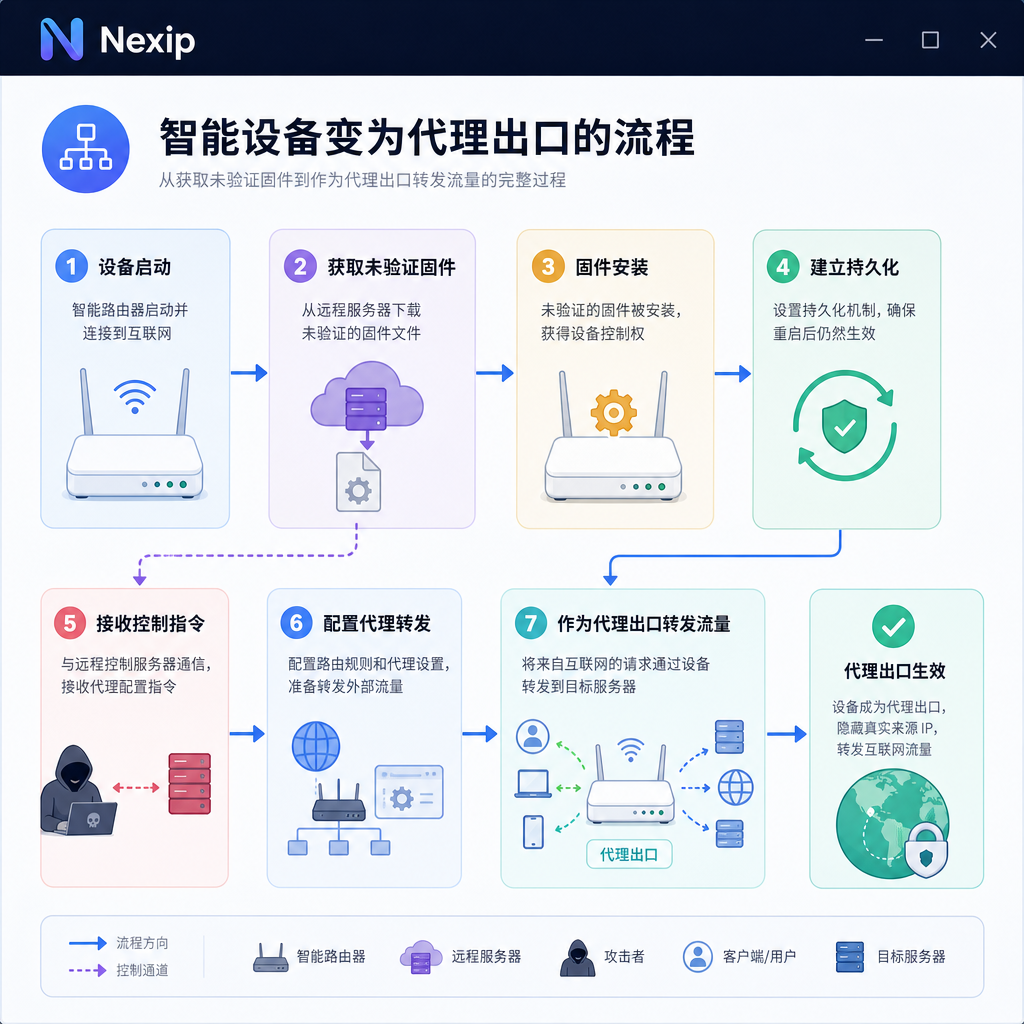
In many people's minds, network nodes are servers deployed in data centers. However, ordinary home smart TVs, streaming boxes, and even home routers—if they have system vulnerabilities or run applications with embedded code—can be unknowingly added to forwarding networks.
Data from security research institutions shows that a large number of third-party firmware and pirated software lacking rigorous security reviews are the main drivers of such network proliferation. These devices are connected to regular home broadband, making their network requests nearly indistinguishable from real user behavior from the target website's perspective.
When hacker groups or illegal scraping teams use these unauthorized devices to mask their true sources, security agencies take forcible measures to block entire network segments. This is the root cause of frequent fluctuations and disconnections of regular node resources on the market.
For newcomers, what are the core standards for choosing compliant residential IPs?
Facing a complex market environment, beginners should not only compare price per gigabyte when purchasing network resources but also pay attention to the legality and transparency of resource supply. High-quality residential IPs not only offer higher connection success rates but also effectively reduce hidden costs associated with business environment association blocks.
Professional service providers like Nexip strictly enforce compliance reviews during node acquisition, ensuring that each exit route is explicitly authorized by the end user. To determine whether a service provider is trustworthy, focus on the following dimensions:
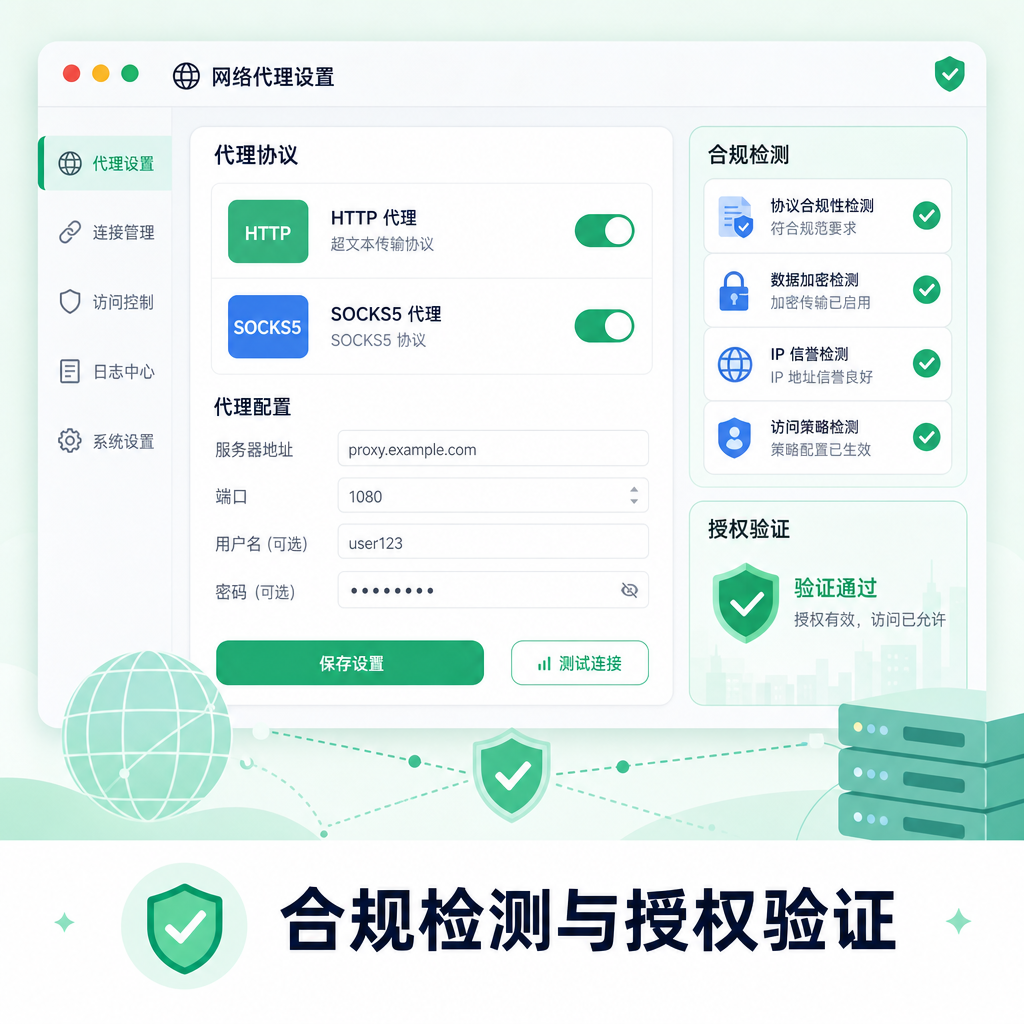
- Clear authorization sources: The provider can clearly explain the source mechanism of network nodes and ensure that resource acquisition complies with local privacy laws.
- High node independence: Does not rely on vulnerable resale black pools; has independent network scheduling and quality monitoring capabilities.
- Complete protocol support: Supports mainstream transmission protocols such as HTTP and SOCKS5 for easy integration with various automation scripts and browser environments.
- Flexible session management: Allows free switching between dynamic rotation modes and long-lasting sticky sessions based on actual business needs.
By establishing a compliance line of defense, even if the entire industry encounters risk control upgrades or a major node reshuffle, business operations of enterprises and individuals will remain stable, ensuring long-term stability of data collection and account management.
When facing risk control blocks, why doesn't simply changing nodes solve the problem?
Many beginners instinctively respond to CAPTCHA pop-ups or access denial by frequently changing exit addresses. However, under today's defense systems, merely changing nodes is no longer sufficient to evade monitoring.
Mainstream protection systems have developed comprehensive detection mechanisms including TLS fingerprinting, browser behavior trajectories, and request header consistency. If a script exposes typical automation characteristics when sending requests, even if it uses a clean home broadband address, the system will immediately trigger defensive logic.
True stability comes from the synergistic matching of network channels and client features. Combining clean broadband addresses with authentic browser environments and maintaining a reasonable request frequency is key to achieving long-term efficient business operation in complex network environments.


Comments(0)